
Sports
Bengals DE Cashius Howell recovering from wrist surgery
By Diane Nguyen
Advertisement · Why this ad?
Diane Nguyen is an enthusiastic sports reporter with a passion for covering local high school athletics. A graduate of Minnesota State University Moorhead, she has spent the last five years reporting for local sports networks while fostering community pride through her vibrant storytelling.
More from Diane →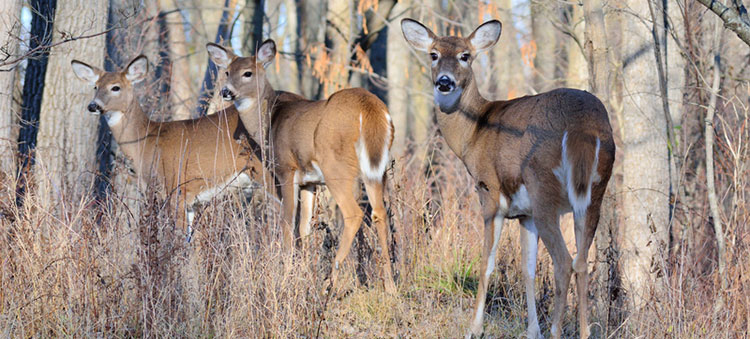
The crisp autumn air in Minnesota is filled with anticipation as hunters prepare for another season of deer hunting. The woods come alive with the sound of rustling leaves and distant calls of nature, drawing families and friends together in pursuit of a shared passion. For many, this time of year is not just about the thrill of the hunt, but also about traditions that have been passed down through generations. The Minnesota Department of Natural Resources (DNR) has made it easier than ever for hunters and enthusiasts to stay informed about deer harvest numbers, providing essential data that reflects the health of the deer population and the success of hunting seasons.
The Minnesota DNR has launched a comprehensive online resource where individuals can access preliminary data for the 2026 deer harvest, along with final statistics from previous years. This information is crucial for understanding trends in deer populations and hunting success rates. The data is updated bi-weekly, every Monday and Thursday, ensuring that hunters have the latest insights at their fingertips. Those interested can visit the Minnesota DNR's deer reports and statistics webpage to explore interactive maps and graphs that illustrate these trends.
Archery deer season kicked off on September 19 and will run until December 31, providing ample opportunity for hunters to hone their skills and connect with nature. Following this, the statewide firearms deer season will commence on November 7, with various closing dates depending on the specific deer permit area. The muzzleloader season is set to start on November 28 and will continue through December 13, allowing for diverse hunting experiences throughout the fall.
The DNR’s online deer harvest data is more than just numbers; it’s a reflection of Minnesota’s commitment to sustainable wildlife management. By analyzing these statistics, hunters can make informed decisions about their hunting strategies and understand the broader ecological implications of their actions. The interactive elements of the webpage allow users to visualize changes in deer populations over time, which can be particularly insightful for those who are passionate about conservation.
For instance, last year’s harvest numbers showed a healthy deer population, which is encouraging for both hunters and wildlife enthusiasts. The DNR emphasizes the importance of maintaining a balanced ecosystem, and the data helps to ensure that hunting practices align with conservation goals. As hunters engage with this information, they are not only participating in a beloved tradition but also contributing to the ongoing dialogue about wildlife management in Minnesota.
The deer hunting season in Minnesota is a cherished tradition that fosters community spirit. Families often gather to share stories, tips, and experiences, creating bonds that last a lifetime. The DNR's efforts to provide accessible data serve to enhance this sense of community by ensuring that everyone is well-informed. Local hunting groups and organizations frequently host workshops and seminars to educate both seasoned hunters and newcomers about the latest regulations and best practices.
For many, the act of hunting goes beyond mere sport; it embodies values of commitment, family, and respect for nature. As families prepare for the upcoming seasons, they often reflect on the importance of passing down these traditions to younger generations. This is where the DNR's resources become invaluable, offering guidance and support to ensure that the legacy of responsible hunting continues.
One prominent local figure, Jim Anderson, a longtime hunter and community leader in the Brainerd area, emphasizes the importance of these traditions. “Hunting is not just about the deer; it’s about the memories we create together. We teach our kids respect for nature and the responsibility that comes with it,” he said. Jim often leads community events that celebrate the start of the hunting season, bringing together families and encouraging youth participation.
As the deer hunting season progresses, hunters are encouraged to stay updated with the latest harvest numbers and regulations. The DNR’s commitment to transparency and accessibility means that hunters will have the tools they need to make informed decisions in the field. The ongoing updates to the deer harvest data will help hunters gauge the health of the deer population, allowing them to adapt their strategies accordingly.
Moreover, the DNR is continuously working to improve its resources and outreach efforts. Future enhancements to the online data portal may include additional features, such as mobile accessibility and more detailed analytics. This would enable hunters to access critical information on-the-go, further integrating technology into the age-old tradition of deer hunting.
Additionally, local hunting clubs are gearing up for their annual gatherings, where they share not only tips and techniques but also engage in discussions about conservation and sustainable practices. These events are crucial for fostering a sense of community and ensuring that all hunters are aligned with the DNR's guidelines.
The deer hunting season has a significant impact on Minnesota's economy, particularly in rural areas where hunting is a major source of income. Local businesses, from sporting goods stores to restaurants, often see a surge in activity during this time. The DNR's data not only helps hunters plan their seasons but also supports local economies by encouraging tourism and outdoor recreation.
In 2022, the Minnesota deer harvest brought in an estimated $1 billion to the state’s economy, underscoring the importance of responsible hunting practices. As hunters purchase licenses, gear, and supplies, they contribute to a vibrant local economy that relies on these seasonal activities. The DNR's efforts to maintain healthy deer populations ensure that this economic engine continues to thrive, benefiting communities across Minnesota.
Local business owner Sarah Thompson, who runs a sporting goods store in Duluth, noted, “The hunting season is our busiest time of year. We see families come in to get their gear, and it’s wonderful to see the excitement on their faces. It’s not just about sales; it’s about being part of a community tradition.” Her store also hosts workshops that teach new hunters how to prepare for the season, further enhancing community engagement.
As we look ahead to the remainder of the deer hunting season, it’s essential to recognize the value of the traditions that bind our communities together. The Minnesota DNR’s commitment to providing accessible data empowers hunters to engage responsibly with nature while fostering a sense of stewardship over the land. By understanding the importance of sustainable practices, we can ensure that future generations will have the opportunity to experience the thrill of the hunt.
In a world that often feels disconnected, the deer hunting season serves as a reminder of the bonds formed through shared experiences and the values that guide us. Let’s celebrate this season not just as a time for sport, but as a cherished tradition that brings families together, strengthens communities, and honors the beauty of Minnesota’s natural landscape.
By Diane Nguyen

By Carlos Martinez

By Diane Nguyen

By Carlos Martinez