
Arts
Profit margin gap between large and small crop farms may be narrowing
By Maya Patel
Advertisement · Why this ad?
Erik Svenson is a passionate arts journalist with over five years of experience in cultural reporting. He graduated from Minnesota State University and has worked for various arts publications in the region, highlighting local artists and events.
More from Erik →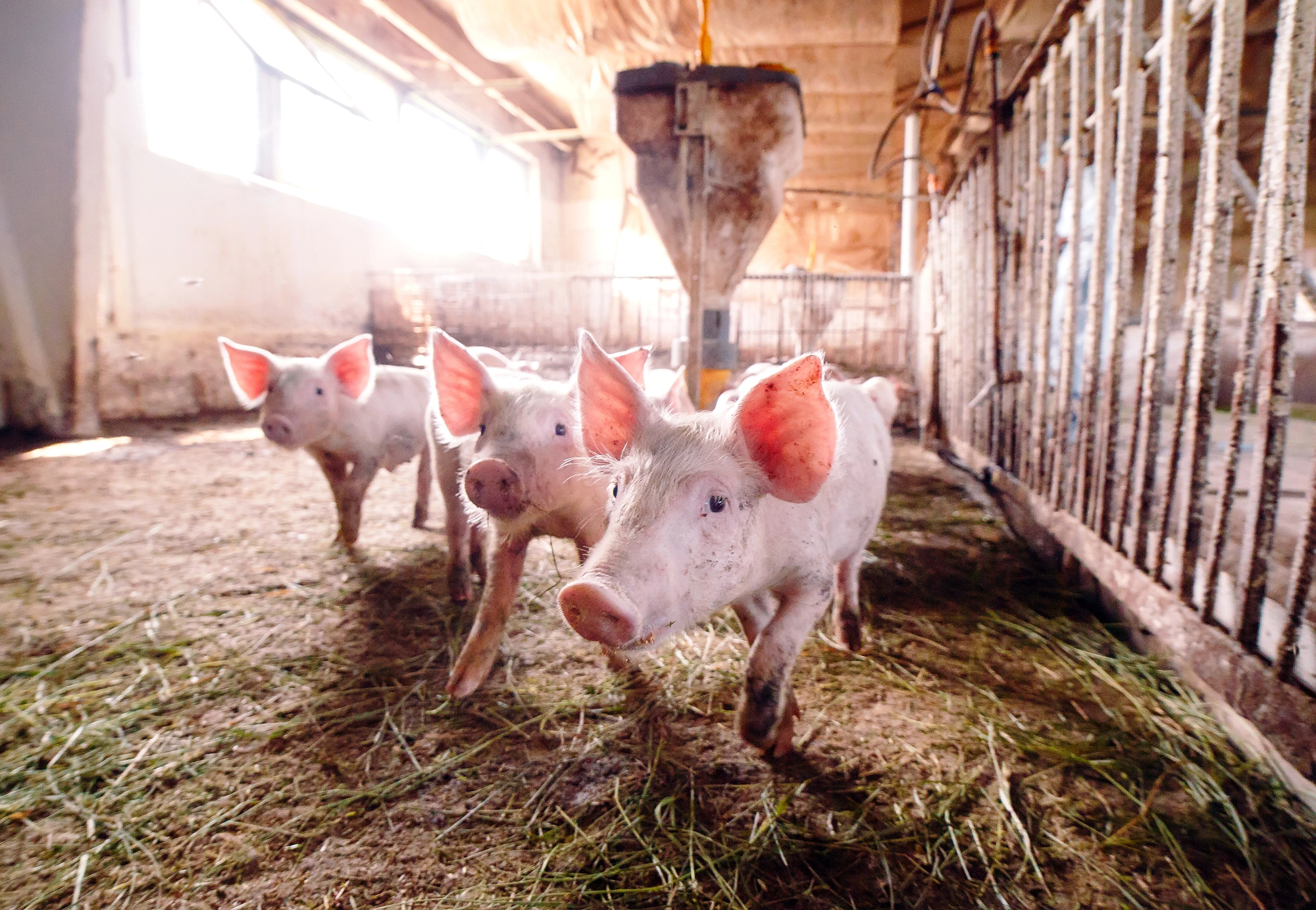
On a brisk winter morning in Fargo, the sunlight filters through the frosty barn windows, illuminating rows of contented pigs. Here, amidst the hum of feeding equipment and the soft rustle of straw, a quiet revolution in pork production is taking shape. As farmers like Tim Bardole prepare for the coming summer months, they are not simply waiting for the heat to arrive; they are strategically planning to combat it. New research funded by the Soy Checkoff reveals that winter feeding decisions can significantly affect the performance of pigs during the sweltering summer months.
Recent studies have shown that increasing the levels of soybean meal in grow-finish diets can help pigs maintain their weight and overall health during periods of heat stress. In a commercial trial, pigs that were fed diets with higher soybean meal content produced carcasses averaging 5.5 pounds heavier than those that were fed the previous high-energy rations. This not only benefits the pigs but also reduces feed costs per animal, a crucial factor for farmers striving to maximize profitability.
Tim Bardole, an Iowa soybean farmer and pork producer, emphasizes the importance of these dietary adjustments. He points out that the pigs destined for market next summer are currently in the barn, and the decisions made about their diets now will have lasting impacts when the heat sets in. "If a farmer waits until the heat shows up to think about carcass weights, the formulation decisions that matter have already been made," Bardole explains, underscoring the need for proactive planning.
The 2026 Soy Checkoff survey indicates a significant shift in the industry, with 60% of swine nutritionists representing approximately 3.6 million sows increasing soybean meal in late-finishing diets to offset the anticipated summer dip in performance. This proactive approach is not just about maintaining weight; it’s about ensuring the sustainability of pork production in the face of climate challenges.
The impact of this research extends beyond the individual farms; it resonates throughout the entire agricultural community. Local pork producers are beginning to embrace these findings, recognizing the potential for improved outcomes. Farmers are gathering to discuss these strategies at local meetings, sharing insights on how to implement the recommendations effectively.
Many producers are optimistic about the future, seeing the increased use of soybean meal as a way to enhance their operations while also supporting local agriculture. The interconnectedness of the farming community means that when one farmer thrives, others often benefit as well. As Bardole notes, "We are all in this together. If we can improve our practices, we can uplift the entire community."
This shift in feeding strategies not only aids in maintaining animal health but also bolsters the local economy. By increasing the demand for soybean meal, local farmers who produce soybeans stand to gain. This symbiotic relationship fosters a more resilient agricultural landscape, one where farmers support one another and contribute to the overall health of the community.
Moreover, the reduction in feed costs per pig can translate into more competitive pricing for pork, benefiting consumers and local markets alike. As the community rallies around these advancements, there is a palpable sense of hope that the future of pork production in Fargo and beyond is bright.
To further support pork producers in this endeavor, the Soy Checkoff has launched Feed4Profit, an online ration-analysis tool designed for pork producers and nutritionists. This resource allows users to explore research and feeding resources, helping them make informed decisions that can lead to improved outcomes for their livestock.
By utilizing innovative tools like Feed4Profit, producers can analyze their current feeding practices and make adjustments based on the latest research. This not only enhances the health of the pigs but also promotes a more sustainable approach to farming. The integration of technology into traditional farming practices exemplifies the adaptability of the agricultural community in Fargo, where innovation meets time-honored traditions.
The availability of such resources empowers producers to take charge of their operations, ensuring that they remain competitive in an ever-evolving market. As the agricultural landscape continues to change, the commitment to research and education remains a cornerstone of success.
Looking ahead, the implications of this research are vast. As more producers adopt these strategies, we may see a significant shift in the pork industry, particularly in regions like Fargo where agriculture is a vital part of the economy. The proactive measures being taken now could lead to a new standard in pork production, one that prioritizes animal health and sustainable practices.
For farmers like Tim Bardole, the future is not just about surviving the summer heat; it’s about thriving in it. With the right tools and knowledge, they can ensure that their pigs are healthy and productive, ultimately benefiting their families and the community at large. The ripple effects of these changes could lead to a more robust agricultural economy, where local farmers support one another through shared knowledge and resources.
As the community embraces these advancements, there is a growing recognition of the importance of strong family units in agriculture. Many of these farmers are part of multi-generational operations, where values of hard work, commitment, and faith guide their practices. This dedication not only strengthens their businesses but also cultivates a sense of belonging and purpose within the community.
As the agricultural community navigates these changes, several resources are available to support farmers in their journey. The National Agricultural Statistics Service provides valuable data and insights that can help producers make informed decisions. Additionally, local agricultural extension offices offer workshops and training sessions focused on best practices for livestock management.
Farmers can also benefit from connecting with organizations such as the National Pork Producers Council, which advocates for the interests of pork producers and provides resources to help them succeed. By leveraging these tools and networks, farmers can enhance their operations and contribute to a thriving agricultural community.
As the community continues to adapt and innovate, the spirit of collaboration and commitment to family values remains at the forefront of Fargo’s agricultural landscape. Together, farmers are not just cultivating crops and raising livestock; they are nurturing a way of life that honors tradition while embracing the future.
By Maya Patel

By Maya Patel

By Erik Svenson

By Erik Svenson